

Several communication channels are available to ensure effective communication between parents and the school. These communications are via emails, telephone extensions, direct face-to-face meetings, online meetings, and through our school portal (Edunation)
Teachers: The first point of contact for academic or behavioral concerns, daily follow-up, and any questions related to your child’s grade level.
Phase Supervisors: For matters that need escalation beyond the grade level, such as repeated behavioral issues, significant academic concerns, or student well-being.
Social Worker: For matters related to students’ personal development, behaviour, learning difficulties, and emotional support.
Assistant Head of Section / Head of Section: For issues that remain unresolved after contacting grade and phase supervisors. This level addresses policy-related matters, school-wide concerns, or critical issues requiring leadership intervention.
ISCS follows the National Curriculum for England enhanced with Arabic, Islamic Education, UAE Social Studies and our Quran Programme.
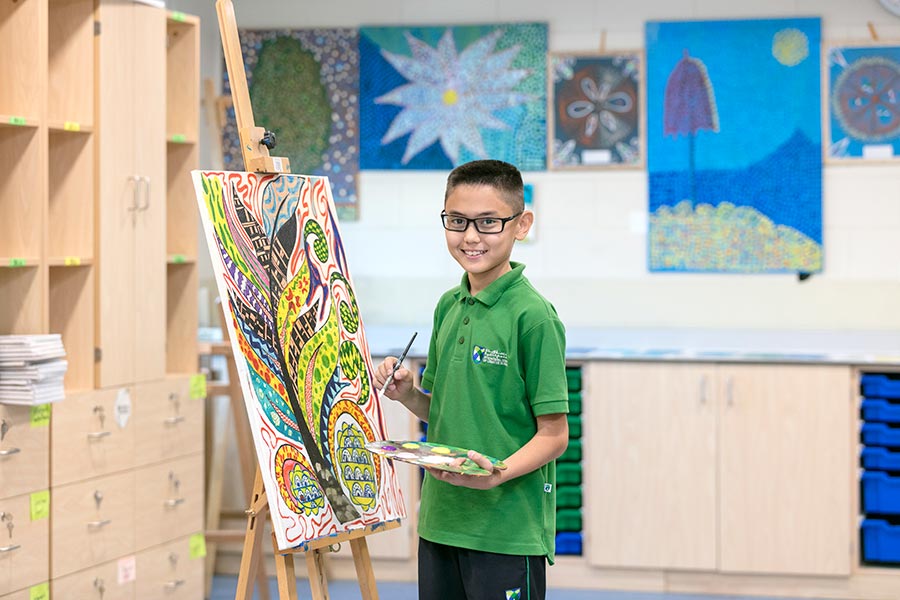
Students study English, Mathematics, Science, Computing, Humanities, Arabic, Islamic Education, Art, and PE.
Assessment includes classwork, projects, quizzes, GL assessments, and summative assessments.
Primary school timings are from 7:00am to 2:20pm.
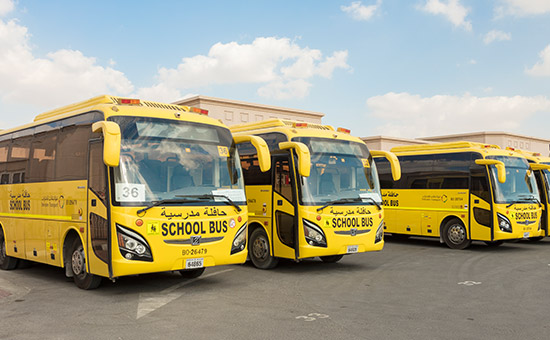
Yes, ISCS provides safe and supervised transportation services.
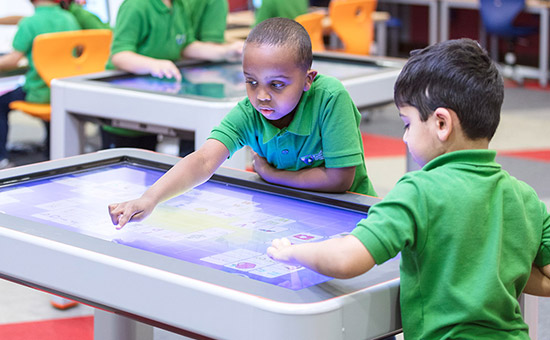
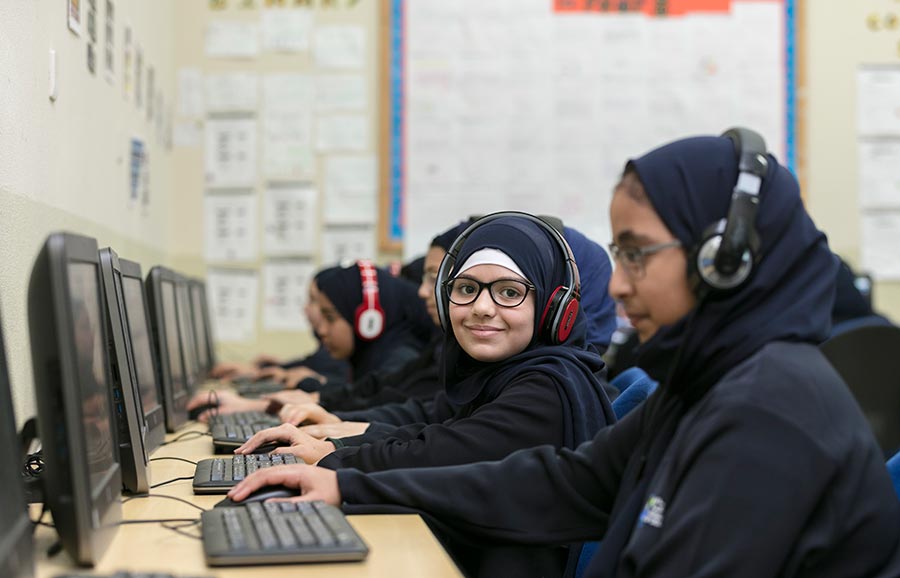
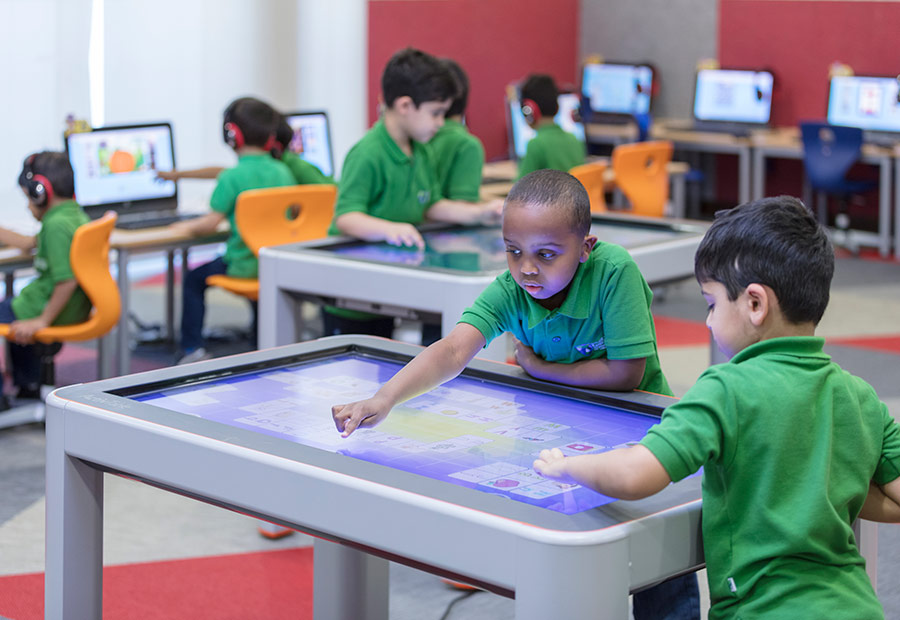
The BYOD programme begins from Year 3 to support digital learning, the school has a number of dedicated computer labs, interactive panels and devices available for all students to also support teaching & Learning.
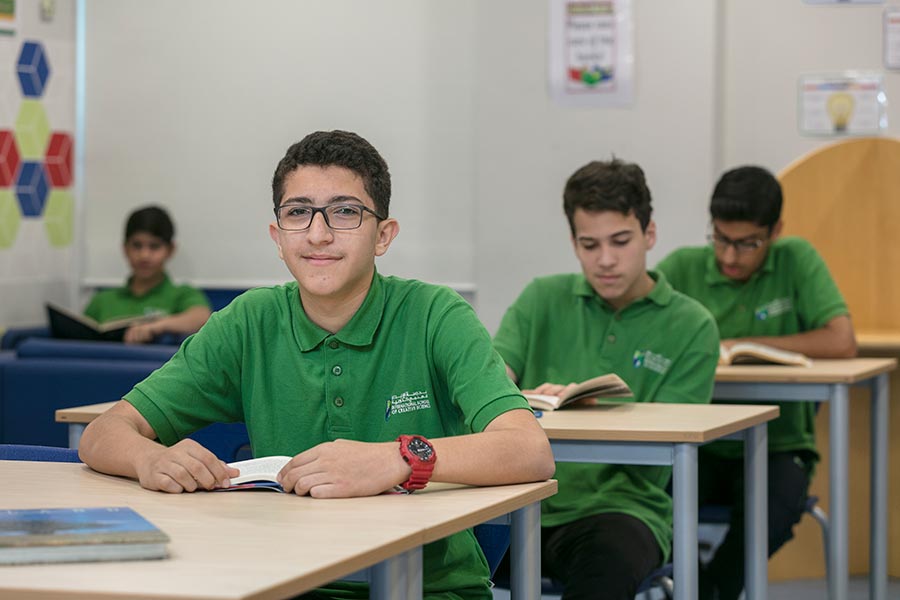
The school promotes reading through guided reading sessions, phonics, and literacy interventions.
Yes, both subjects are compulsory in line with UAE Ministry requirements.
Parents can access live markbooks, attendance, and reports through Edunation.
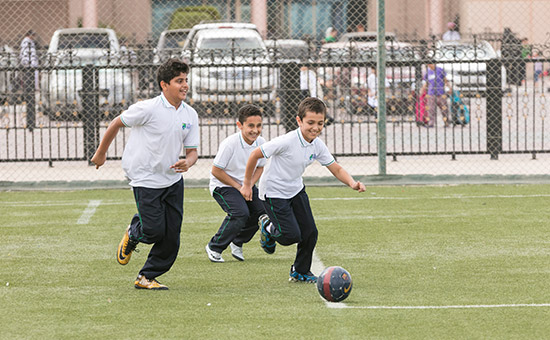
Students can participate in sports, robotics, Quran clubs, arts, STEM activities, and leadership programmes.
ISCS promotes positive behaviour through pastoral care, wellbeing initiatives, and counselling support.
The SEND department provides intervention programmes and individual support plans.
Students are encouraged to participate in leadership roles, councils, and school initiatives.
Yes, homework is assigned to reinforce classroom learning.
ISCS uses Edunation, Microsoft Teams, and other digital learning platforms.
The school has trained staff, safeguarding systems, and emergency preparedness procedures.
Yes, students participate in internal and external competitions and tournaments.
The school provides academic preparation, orientation activities, and pastoral support.
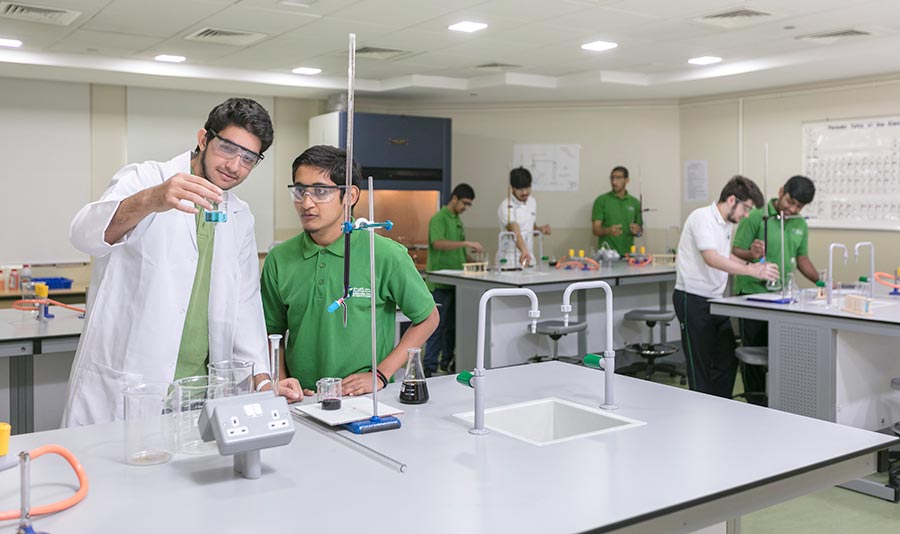
Facilities include libraries, ICT labs, sports areas, science labs, and specialist learning spaces.
ISCS combines academic excellence, strong values, innovation, and a supportive community environment.
Yes, students should use a suitable school bag and wear appropriate shoes, usually in standard colors such as black, following the school policy.
Being an international school, our teaching staff comes from a wide range of nationalities. We focus on hiring highly qualified and experienced educators to ensure the best learning experience for our students.
We have approximately 5,000 students enrolled at our school. Our student body is highly diverse, representing around 75 different nationalities from both Arab and international backgrounds.
The school organizes a variety of educational trips, enrichment activities, assemblies, competitions, and themed events throughout the year to enhance students’ learning experiences.
Students can apply or be nominated for leadership opportunities such as Student Council, class representatives and other school leadership initiatives based on responsibility, conduct, and participation
The school hosts a range of events including National Day celebrations, Literacy Week, Sports Days, Islamic events, cultural celebrations, charity initiatives, assemblies, performances, and academic competitions.
The school promotes these through themed weeks, reading activities, debates, performances, competitions, storytelling sessions, cultural showcases, and interactive classroom activities that encourage student participation and school spirit.
The school uses platforms such as Microsoft Teams and Edunation to support online learning, assignments, communication, and access to lesson materials when required.
Canteen services are available for students, offering a selection of meals and snacks during break times.
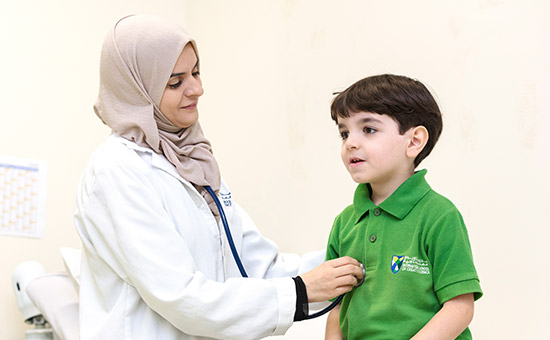
The school clinic works closely with parents and staff to support students with medical needs or allergies. Parents are required to provide updated medical information and any necessary medication or action plans.
Parent-teacher meetings are scheduled regularly throughout the academic year to discuss student progress and development.
Parents can support learning by encouraging reading, monitoring homework, maintaining routines, and staying actively involved in school communication.
Parents are invited to participate in workshops, celebrations, performances, meetings, and school community events throughout the year.
The school takes all concerns seriously and follows clear safeguarding and behaviour procedures to support students and resolve issues promptly.
Students are encouraged through leadership opportunities such as Student Council, class responsibilities, assemblies, group projects, and school initiatives.
The school has strict safeguarding policies, trained staff, supervision procedures, secure entry systems, and student wellbeing support in place.
The school supports wellbeing through pastoral care, positive relationships, student support systems, and a safe, nurturing learning environment.